

Selleb Mom's Dispatch #009: What a Non-Reader Taught me About Reading
Lyndon B. Johnson, Ambition, and Chance

⭐️As a reminder, (some) Friday editions are brought to you by none other than our mom as part of the series “Selleb Mom’s Dispatch” ⭐️
On November 22, 1963, at the very moment President John F. Kennedy’s motorcade was rolling through Dallas, a witness in Washington was testifying before a Senate committee, linking Vice President Lyndon B. Johnson to a full-blown ethics scandal.
At that same moment, in New York, Life magazine was preparing a tell-all exposé of the financial dealings that had made LBJ a multimillionaire on a public servant’s salary.
The vice president was on the verge of political collapse. And then, with the “crack of a bullet,” everything would change…
That is how Robert A. Caro tells it. He builds the moment from multiple angles so you feel how close it all came to going the other way. Unassuming, animated, yet utterly commanding, Caro lays bare LBJ’s political arc in a 2012 interview: from the most powerful Senate Majority Leader in American history, to a sidelined vice president under JFK on the brink of political disgrace, and then, in a stunning reversal, the most powerful man in the world.
I was on the edge of my seat. After the 60-Minute interview, I immediately ordered the 600-page book: The Passage of Power. I needed to know more.
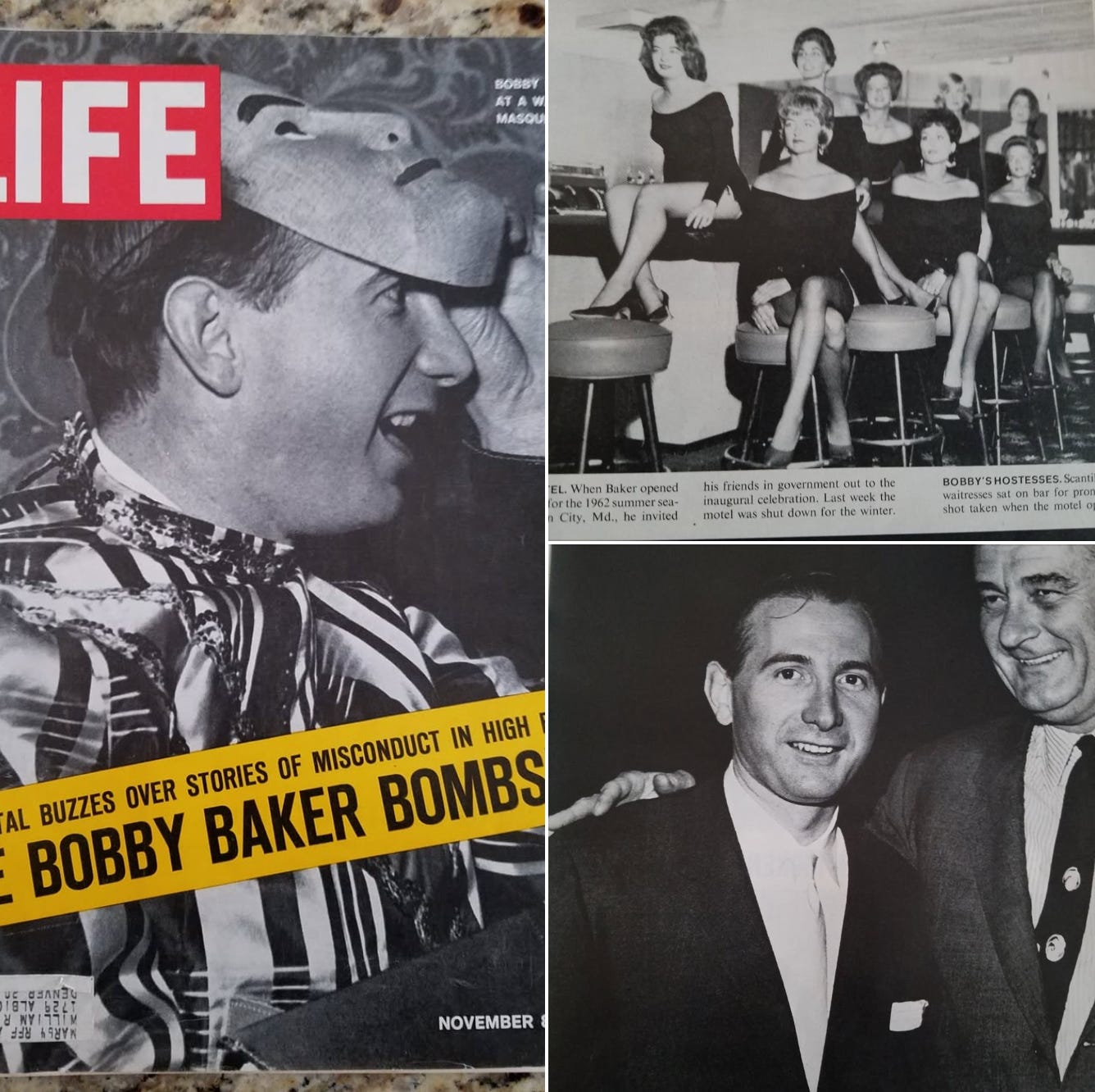
What LBJ’s Story Taught Me About Life
The way Caro captured how easily it could have been a different outcome, how so frighteningly close LBJ came to total political ruin just before getting sworn in as the 36th president of the United States, is probably the most devastating passage I’ve ever read, in fiction or otherwise, and it has never quite left me.
You’re left to wonder: How accidental is a great destiny? How can life so easily, so casually turn out to be one thing and not another? In what proportion, what degree does ambition factor into all of this? And chance? Does one matter more? Or less?
Instead of providing neat answers, reading throws more questions your way. Caro’s books made me turn the lens on myself, forcing me to sit with some hard questions long enough for them to settle in and loosen my own grip on life. They rearranged how I thought about success, ambition, love, luck, motherhood. All of it.
Over the last decade+, I've gone through all 4 volumes of Robert A. Caro’s The Years of Lyndon Johnson. The 5th (and the last) installment is being written as we speak, and I’m praying that Robert Caro and his researcher (his wife, Ina) will complete the series. They are in their 90s!
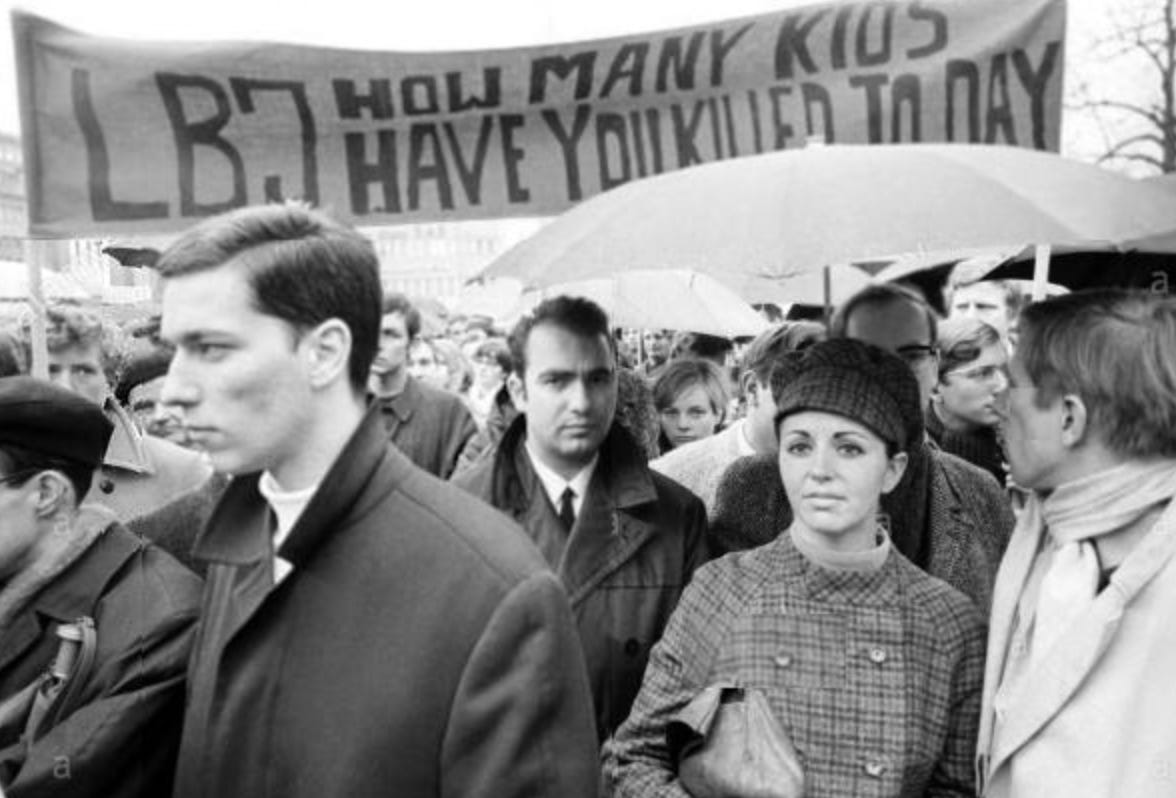
LBJ’s legacy is complex: civil rights and Medicare on one hand, Vietnam on the other. The contradiction is staggering, and that’s what makes LBJ one of the most fascinating and flawed characters in all of fiction and non-fiction. You should read it. Pro tip: Don’t be shy about reading them out of sequence. Start with vol 4!
For all the spell LBJ cast over me across nearly 5,000 pages, spread over a decade, the biggest irony has been this: Lyndon Johnson himself was never a reader. The joke, apparently, is on me.
He thought reading was a complete waste of time. It was for the “Harvards,” the Phi Beta Kappas, the Rhodes Scholars — the intellectuals out of touch with reality. He prided himself on being “practical.” He liked to say he was a reader of people, not books.
So no, reading is not a prerequisite for becoming powerful, respected, rich, or even an effective leader.
Which raises a reasonable question: Why read then?


Why You Should Read: LBJ Case Study
I’m making a case on a very narrow slice here, essentially November 22, 1963, the day of JFK’s assassination. But in that one day, you can see the whole pattern in a microcosm…
You should read because:
1) It’s a great form of entertainment.
Take one detail. By the time JFK and LBJ arrived in Dallas to shore up political support ahead of the upcoming election, LBJ had fallen out of favor. It was widely believed (even by LBJ himself) that he would be dropped from the 1964 ticket. He had become powerless and irrelevant. But the more revealing behind-the-scenes bonus material is buried in the pages.
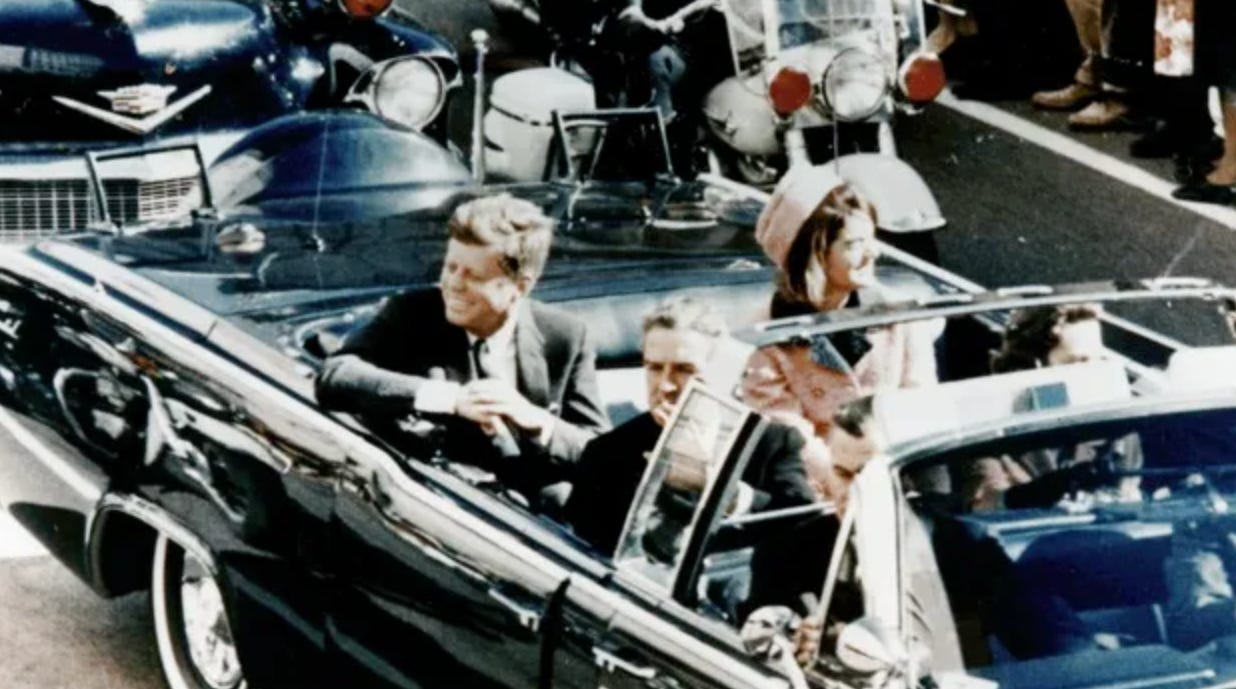
Bonus material #1: The casual cruelties. Instead of asking his vp to ride with him in the blue presidential limo, JFK asked Texas Governor John Connally to join him. Why was this doubly wounding for LBJ? Because, as the second in command, LBJ should have been riding with the president. Secondly, Connally had been LBJ’s assistant. Now his ex-assistant is a bigger deal than him? To add insult to the injury, LBJ got shafted to a nondescript rental car two vehicles behind the president’s limo. A small detail, but not a small snub. It’s emasculation at the highest level of politics.
The foreboding, along with LBJ’s mounting anxiety and despair, pulses through those pages; you feel it secondhand.
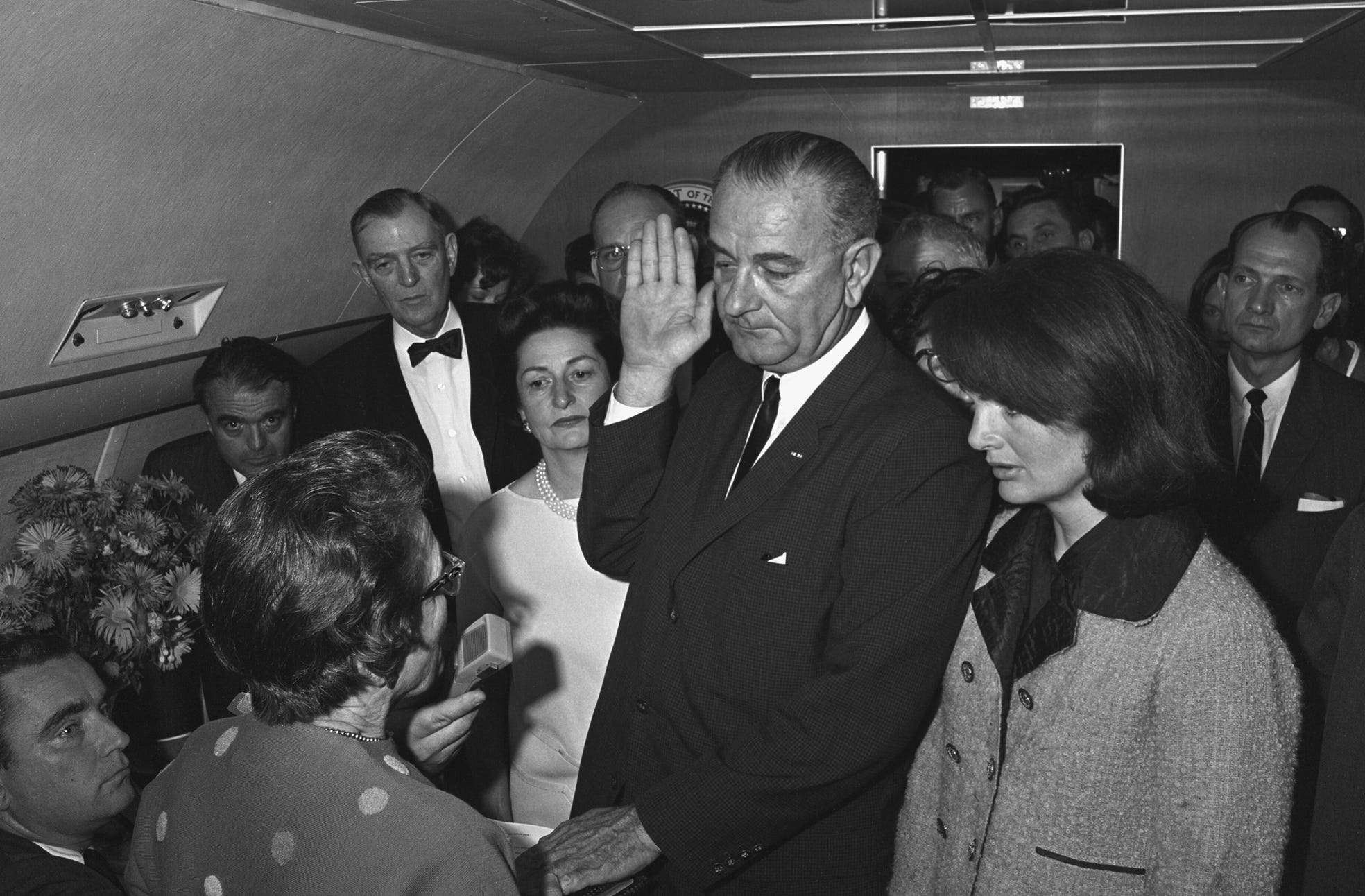
Bonus material #2: The level of LBJ’s micromanagement was striking. For the famous swearing-in photo on Air Force One, he insisted on having 2 women in the frame. First up: Sarah T. Hughes, a federal judge from Dallas, whose appointment he had failed to secure during his vice presidency. It became a source of great personal embarrassment for him. Were his motives to give Hughes the spotlight self-serving or sincere?
And then there was Jacqueline Kennedy. LBJ refused to leave Dallas without her. Was this a genuine concern for a grieving widow, or something more calculated, like LBJ needing her in the picture to signal that the transfer of power had the Kennedys’ blessing?
Perhaps even LBJ himself didn’t know. Do we always know why we do the things we do? Reading rarely gives you all the answers. If anything, the details make you ask more questions.
2) No two people ever read the same book.
A passage that means nothing to one person can hit another like a confession. Everyone has a different experience when they read.
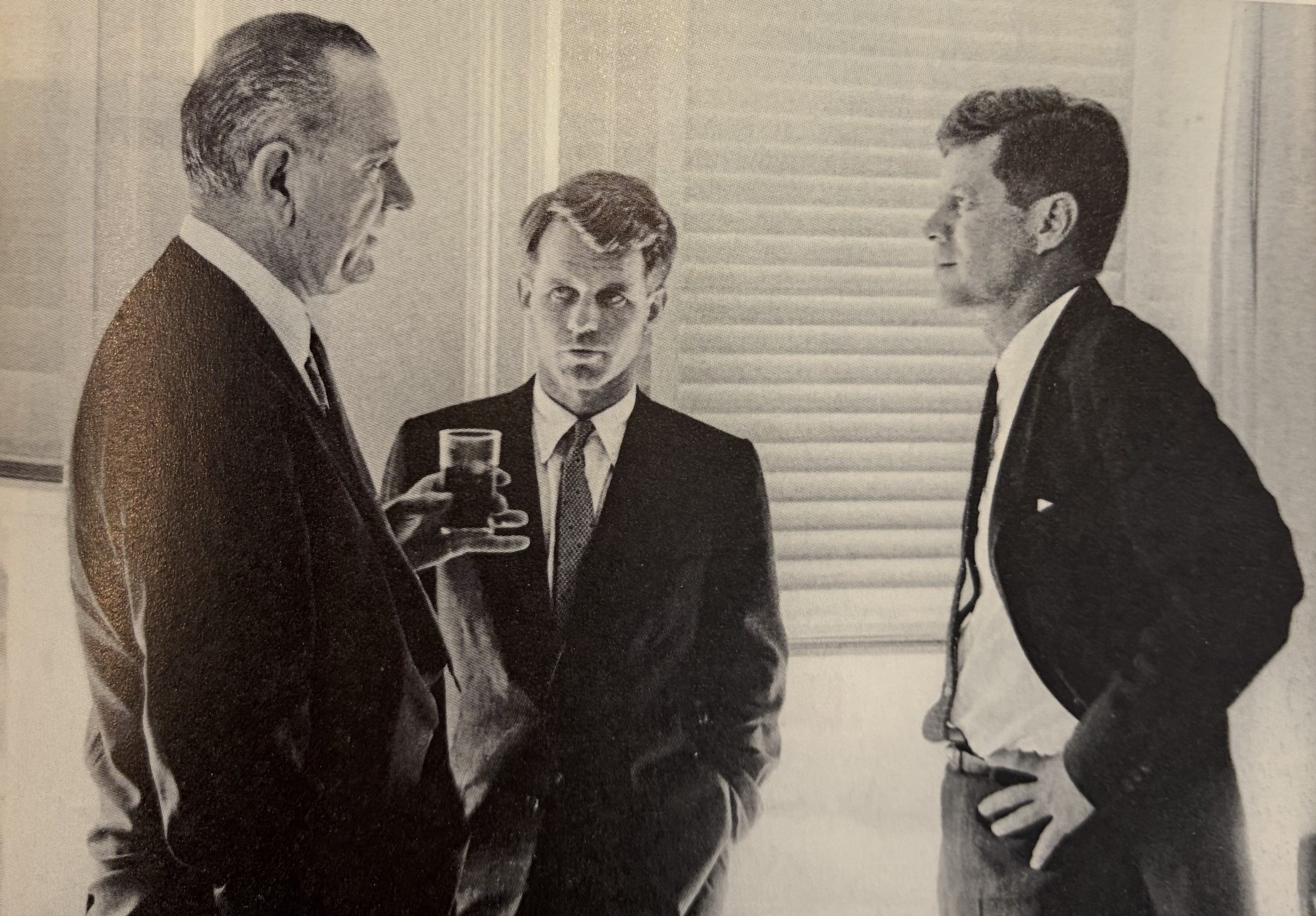
Despite the obvious gulf between LBJ and me, there were moments of recognition that caught me off guard. The open animosity that RFK, JFK’s younger brother (yes, RFK Jr.’s father), had toward LBJ meant that he would be excluded from all important meetings and cut out of power. Imagine being a vice president and yet shut out at every turn.
LBJ knew exactly why he had been chosen to be JFK’s running mate. Southern votes. It was utility; nothing more. And LBJ knew it and stayed the course for a potentially bigger payout, one that might never come. You’ve been there. Feeling shut out of decision-making. Being underestimated. Being used. But staying longer than you should because you think it will pay off.
The point is that passages of familiarity hit you as if someone is speaking directly to you. They don’t read like history. They sound like life. Yours. No summary can replicate this kind of recognition.
3) Reading makes you a more empathetic human.
George R.R. Martin once wrote:
A reader lives a thousand lives before he dies. The man who never reads lives only one.
By following characters over hours, months, and years, you walk in their shoes and experience what it must feel like to live with their baggage. You begin to understand their motivations. Was it their upbringing, the privations, or the humiliations that hardened them? You even begin to understand why LBJ didn’t read. His parents had been intellectuals. They were idealists who read novels and poetry. And this got them nowhere. The Johnson family lived in poverty, and the parents died penniless. LBJ wanted to try something different than his parents. Isn’t this the most natural human thing to do? When you read about why people do what they do, you find yourself judging them less. Their actions seem less reprehensible and more human. We feel a sense of connection through shared suffering.

The Cost of Not Reading
Like all great life lessons, the ones that stay with us, the ones that actually change us, are the ones we arrive at slowly, in roundabout, circuitous ways, and often, alone. Reading gives you space for that. Call it mental hygiene. An investment in the mind. Self-love.
LBJ had no patience for that kind of pause. He lived in action, not reflection. But a life that never slows down rarely corrects itself. By the time the cost of his actions became clear, the damage was already done. There were no questions left to answer. Only consequences to live with.
Keep reading,
xx Selleb Mom