

The Solution for Fashion's Citation Problem
What if we could credit every trend to its original wearer?
Is there ever such thing as originality?
It’s a question as old as time, but more staggering than ever in an age where a Claude query can accidentally rip off the next person before you’ve even had the chance to clock it. Besides the obvious copy-paste culprits, where IS the line between imitation and flattery, “inspired by” and outright copy? It’s perhaps even hazier in the land of fashion, where dupes are societally embraced/accepted, the perfect draping can’t be trademarked TM, and Diet Prada might call you out — but hey, your bottom line doesn’t care about the reputational damage, and it’ll all be gone in a news cycle anyway. But we digress. Kind of.
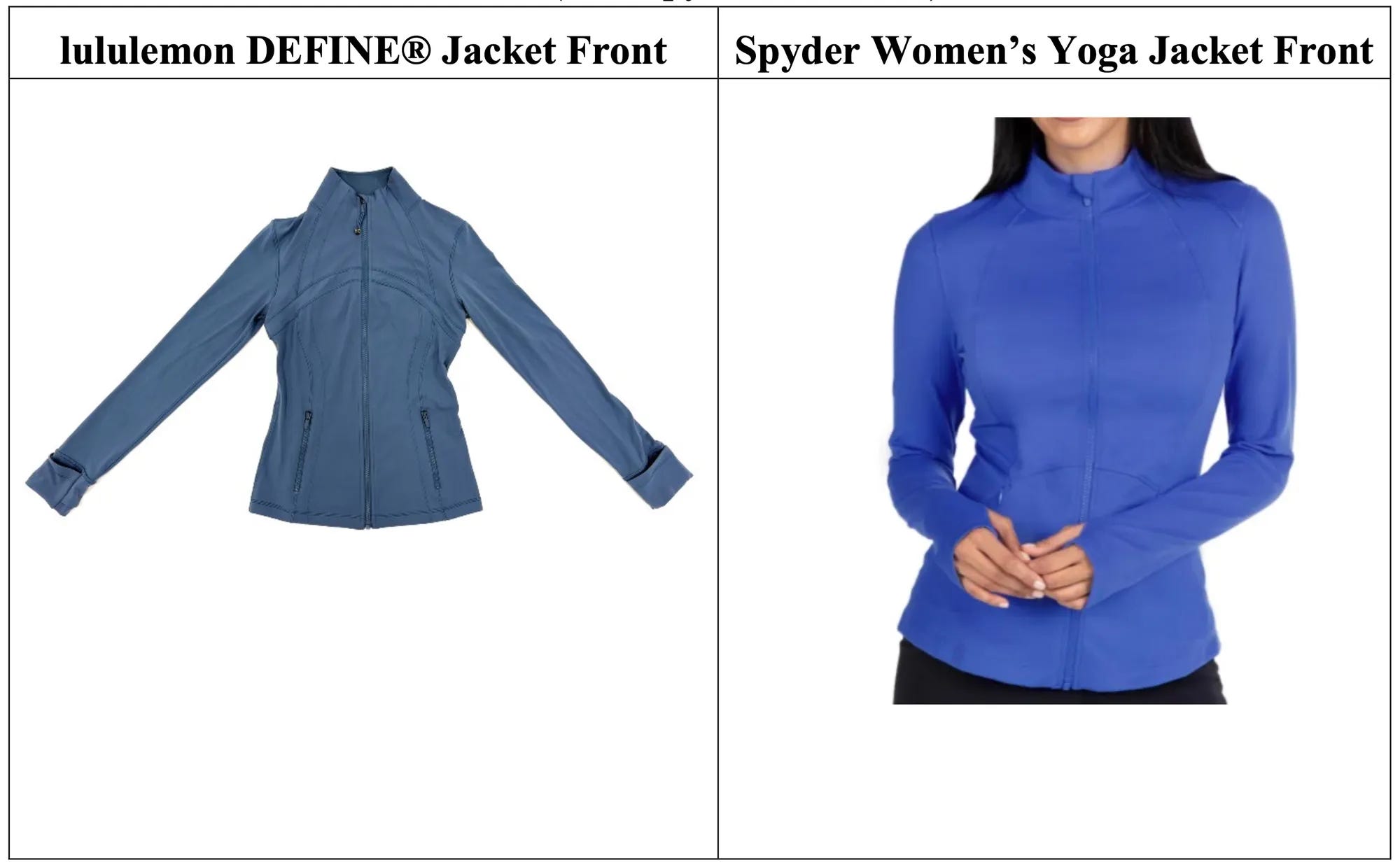
In this piece, we wanted to unpack a similar but slightly different kind of question, one that involves not copying a design, but copying a person, and how that one person can change the trajectory of a trend that sweeps the headlines years later. Up until this point, it’s been hard to give credit to trends’ original wearers (or at least original re-wearers)! We think that’s about to change.

We’re in the business of predicting trends and spotting outliers, so when we see something that raises an eyebrow, we double click. Below, a case study on how we think fashion’s citation problem will eventually be solved. It starts with a (Selleb) receipt in November 2023 and ends with a Vogue headline a full two years later.
We Can Prove Exactly Who Started the Military Jacket Trend
Before we get to the military jacket in question, let’s talk about receipts, not even the Selleb kind (read: order confirmation emails and physical receipts), but more broadly, the defining metaphor of an era obsessed with proof.
Think about when you last heard someone say “I have the receipts.” It probably wasn’t at a store but on the internet, probably in a screenshot war, probably involving someone who lied and got caught. The word migrated from the cash register to Bravo TV, from accounting to accountability, where “Show me the receipts” became shorthand for: I don’t trust you. Show me the evidence. Give me the timestamp.
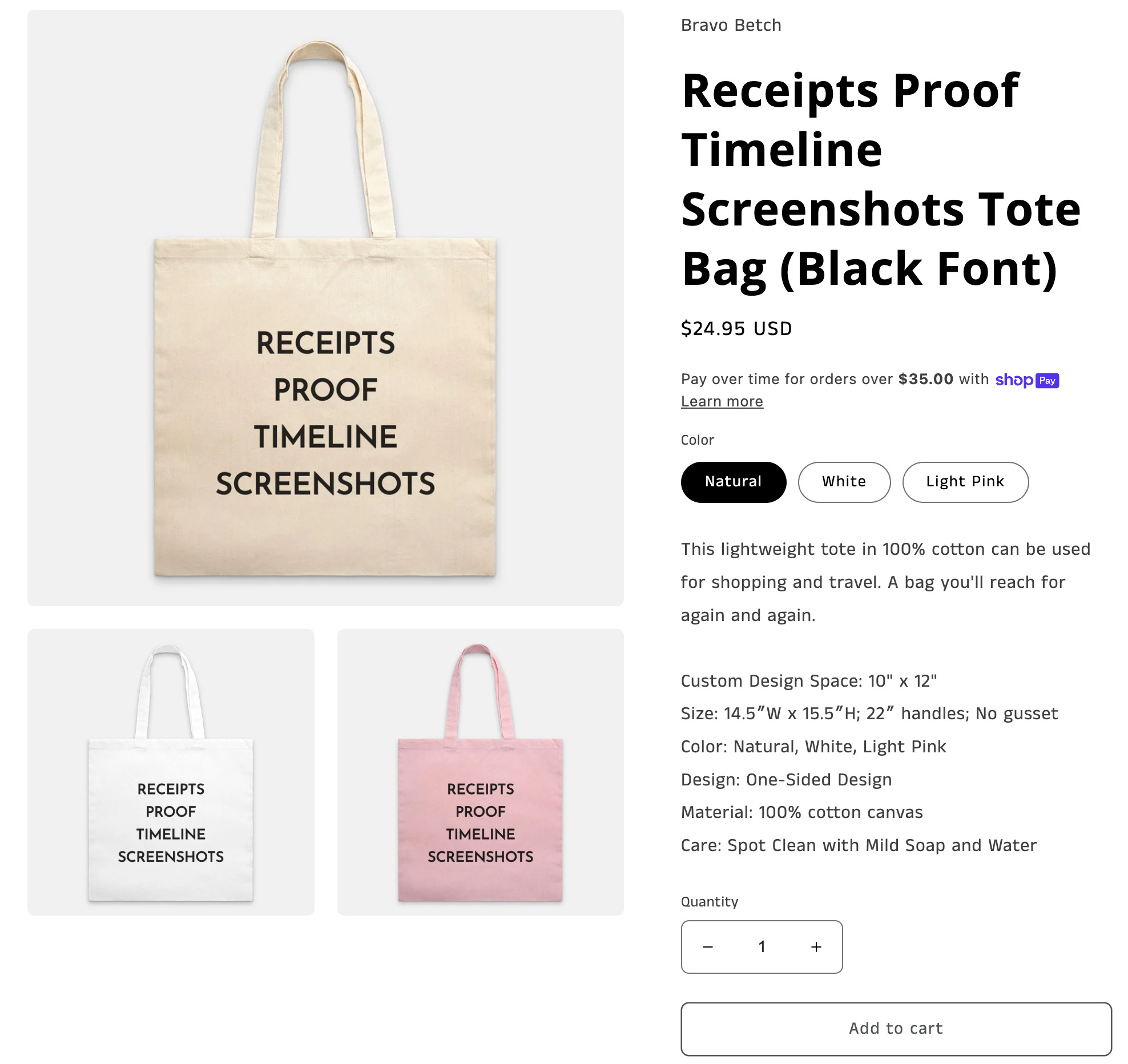
There’s a reason that language caught fire. We live in an era of ambient suspicion, deepfakes, AI-generated everything; it’s no wonder. The receipt is the antidote. It’s dumb, it’s literal, it’s un-fakeable. (Hopefully.)
Now here’s where things veer into Diet Prada territory: fashion is arguably the most documented creative industry on the planet. Every runway show is photographed from forty different angles, timestamped down to the minute, reviewed by hundreds of editors, archived in lookbooks that go back decades. Fashion has always had its receipts, literally. Show notes, collection dates, production calendars. The paper trail is as long as a CVS receipt lol.
And yet, when it comes to trends — who actually started them, who wore it first, who copied whom — fashion operates in a convenient fog. Trends are treated like weather. They magically emerge from the collective unconscious, and by the time anyone notices, the origin story has already been laundered into a vague “it’s in the air” narrative. Editors anoint “the trend of the season” as though it materialized from the ether. Sureeee! The irony is staggering. The most documented industry in the world has the most opaque origin stories.
The Woman Behind the Military Jacket
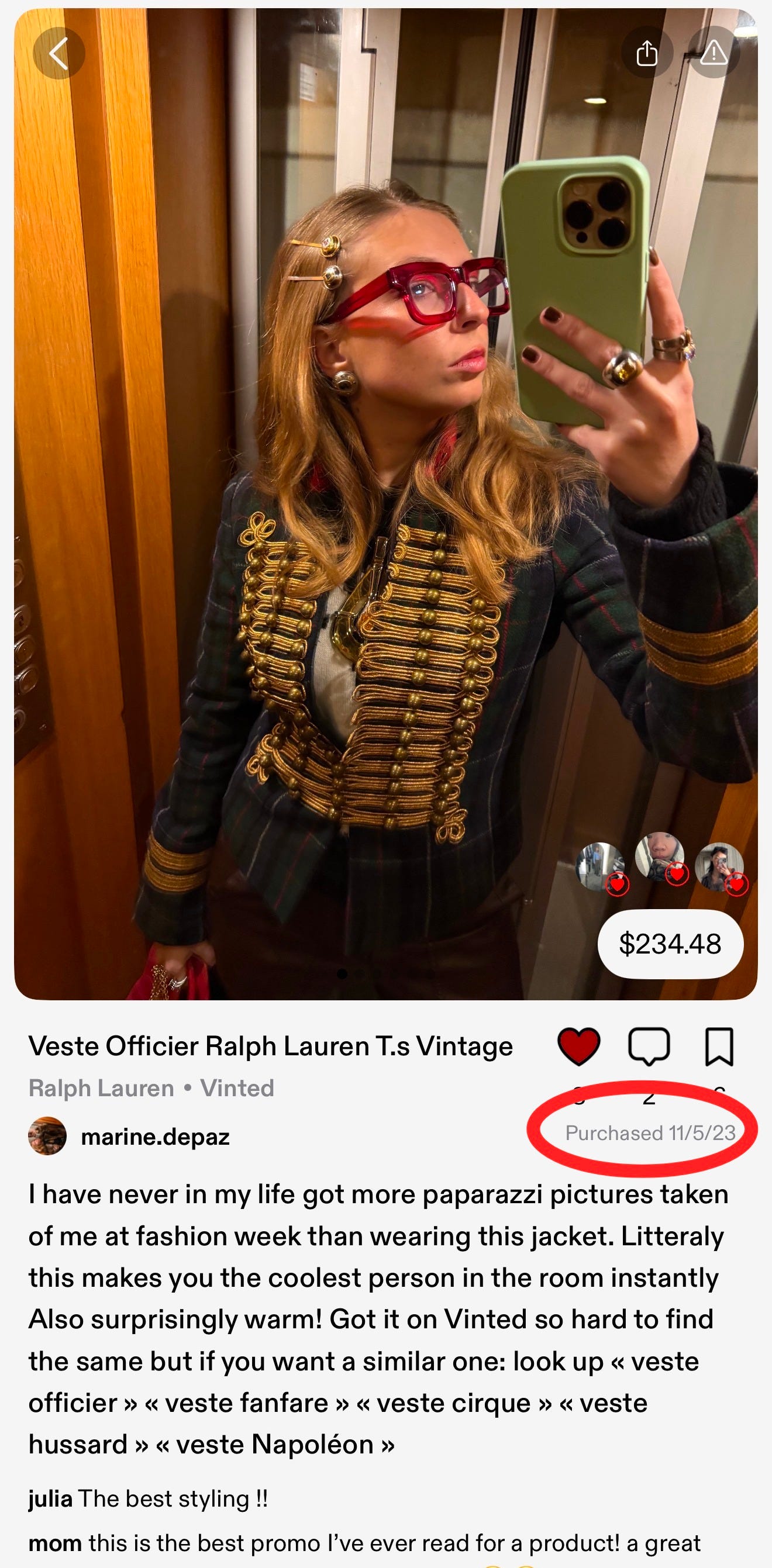
Marine Depaz is a Paris-based jewelry designer and the founder of Albatroz (a brand we get complimented on ad infinitum). She used to work at Rabanne. She’s also a Selleb user which means we have her receipts!!!
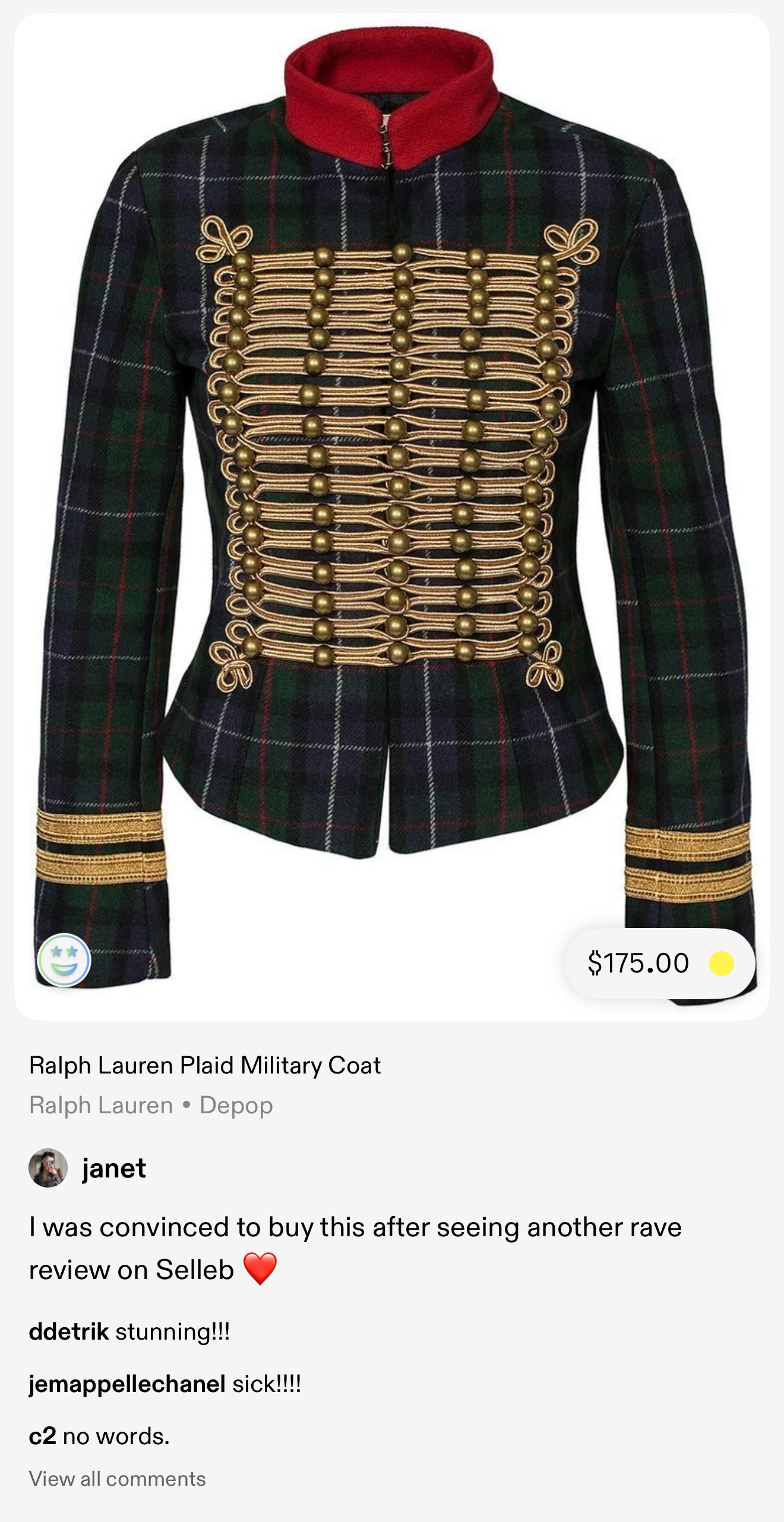
In November 2023, Marine posted a vintage Napoleon-style military jacket she’d hunted down on Vinted. In the caption, she mentioned that the jacket had already made a splash at fashion week, where people couldn’t stop photographing her in it. It was novel and new. It was not, at that point, a trend by any reasonable metric.
Shy of two years later in late 2025, the Napoleon jacket was suddenly everywhere. We started seeing fashion publications covering it left, right, and center. TikTok creators were heralding it as The Next Thing. Our Substack feeds were saturated. A million Frenchmen couldn’t be wrong: the military coat had officially entered the (coat)room.
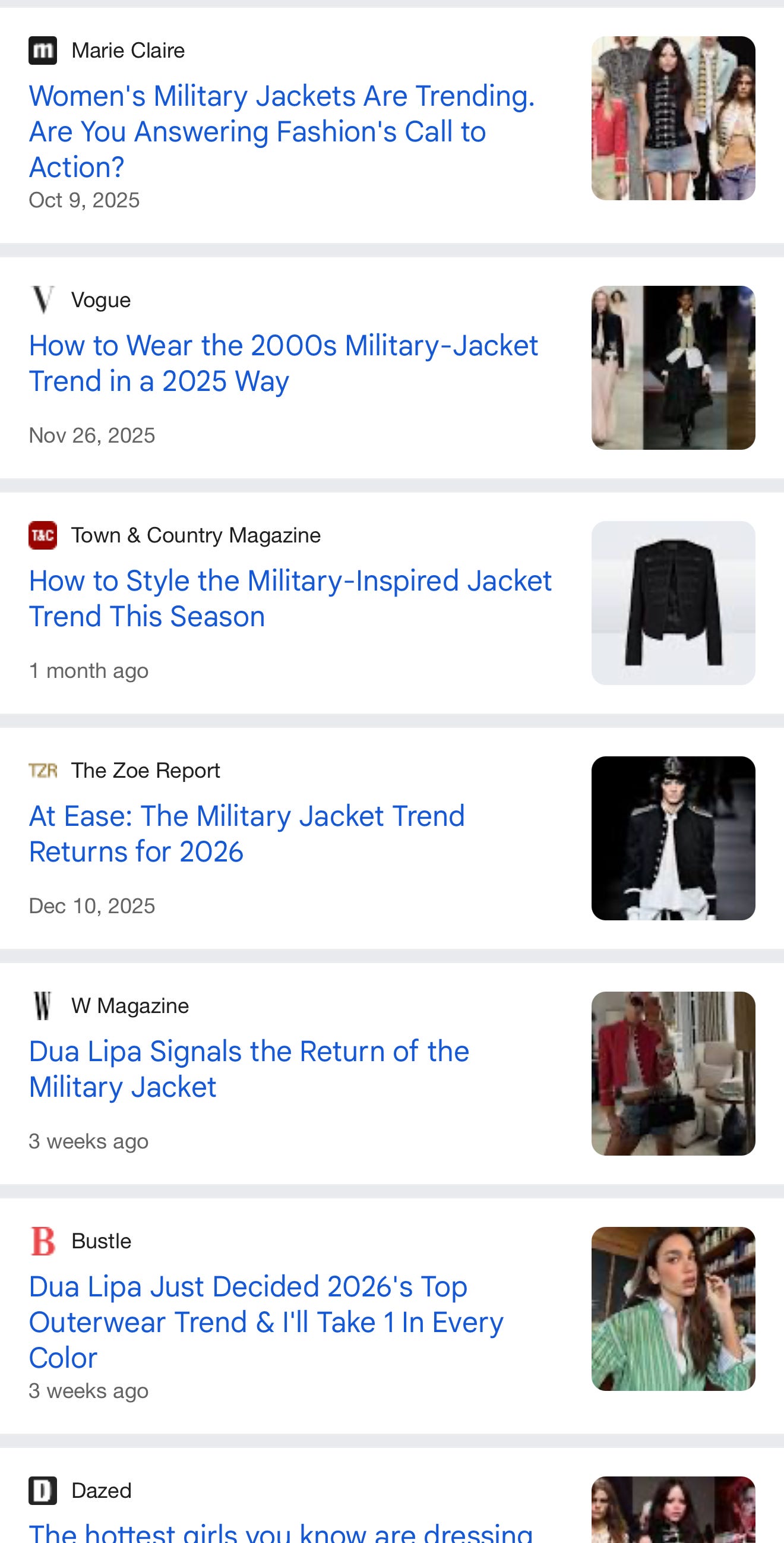
Except... it had already arrived over two years earlier on Selleb with a receipt, a price tag, and a timestamp to prove it. So we asked Marine about the jacket.
About why I got this jacket specifically: I have always loved the military style jacket, one of my friends when I was a 15 year old teen had one, the most gorgeous Hussard jacket. I really wanted to get the same one but she had gotten it from her mom so I could not find it, but it stuck with me for sure. Always loved this style but never got around to actually buying one. Until I started working at Rabanne a few years ago. I was working specifically on the « passementerie » designs for napoleon style jackets! So after two months of spending my days making them my love for the style was back and I started looking around on Vinted and Vestiaire collective. What is funny is that I was more interested by the circus jacket and fanfare jackets in the beginning, same style if embroidery but less structured, softer fabrics that would drape more. But I came across This piece specifically with the tartan, and anyone who knows me knows that is my fashion staple! I even did a big part of my graduate collection at IFM around tartan. I negotiated and got it for a great price. Honestly to this day it really is one of my greatest vintage finds!
So here’s what we’re calling the Patient Zero Paradox: the “originator” is herself downstream. Marine didn’t invent the Napoleon jacket out of thin air. She was influenced by a childhood memory, by the house she worked for, by the resale platforms that made the hunt possible, by a personal aesthetic throughline that stretches back to fashion school. Even the starting point has a starting point. It’s turtles all the way down.
And yet. She was the first person we can prove wore it — bought it, posted it, timestamped it — before a single trend piece existed. Two full years before, no less!
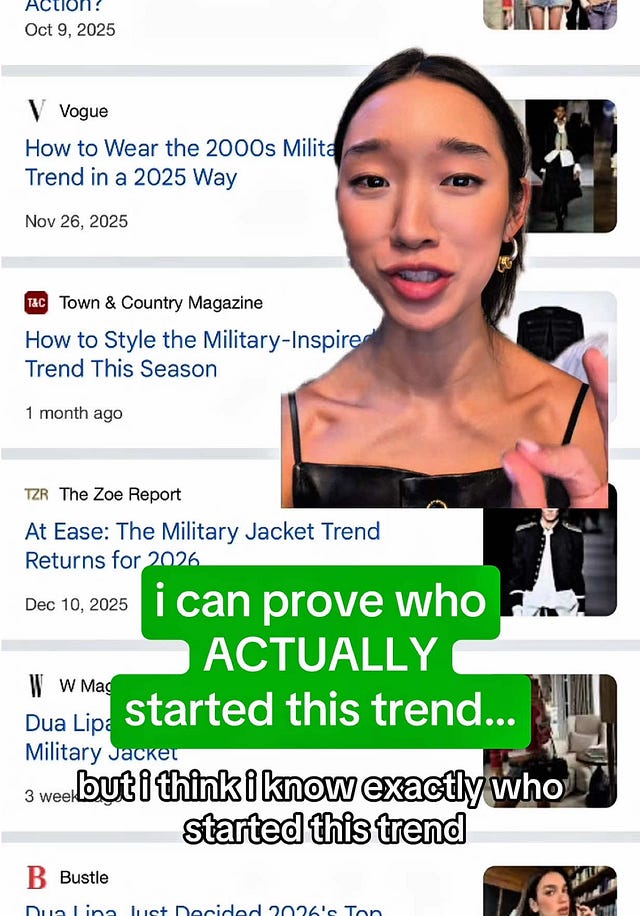
 Tiktok failed to load.
Enable 3rd party cookies or use another browser
Fashion has always had its patient zeros. The problem is contact tracing, because when a trend hits the mainstream, the original carrier wearer is already buried under a hundred-and-ten layers of replication enabled by street style photographers, editors, and influencers alike. The chain of transmission is invisible.
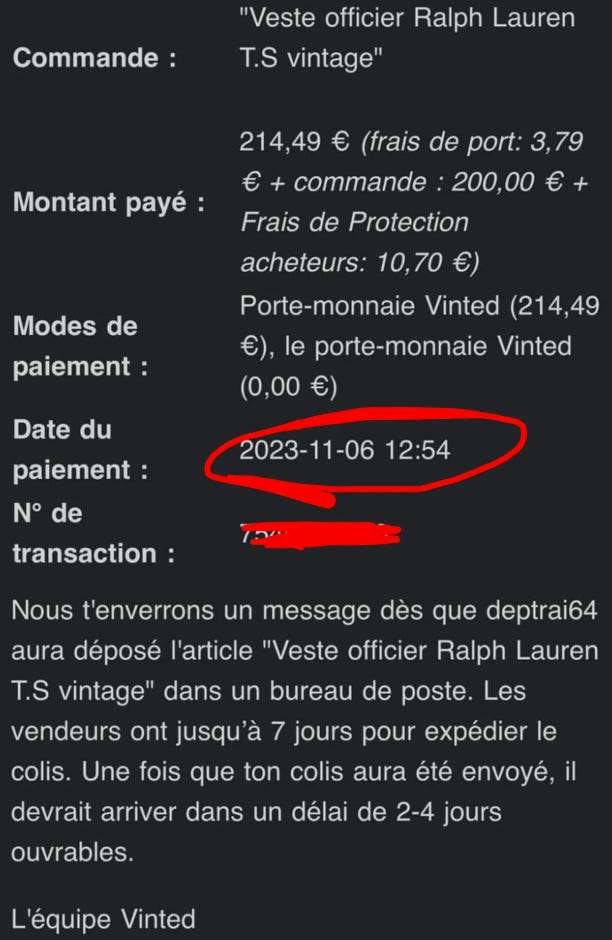
So here’s our theory, and we’ll admit it’s just that and nothing more: a theory. But try to prove us wrong. Marine bought the jacket. She wore it to Paris Fashion Week as she wrote in the review. Photos were taken at fashion week.
What’s more, though, is what also happened post-PFW which amplified the chances of this jacket catching fire:
“The photos at fashion week are one part of it but also one of my good friends is a fashion influencer and saw me at a concert with the jacket. She asked me straight away the brand and if I minded if she tried to find the same. Of course I was more than happy to match with my friend, and she found it a few days after! Later she took a fit pic with it that was huge on Pinterest, used in all the TikToks of people talking about the comeback of this trend.”
One jacket at the right fashion week. One friend at the right concert. One fit pic on the right platform. One algorithm that decided this image was worth surfacing. Two years of percolation. And then, in late 2025: trend pieces, TikTok hauls, and a collective amnesia about where it all started.


We see all of this less as a coincidence and more as how most trends actually work and from where they spawn. The trend is just the visible part. Underneath is a chain of traceable purchases, each one downstream of the last, an underground network of influence imitation that nobody maps.
Why? Because 1) Attribution is inconvenient and giving credit takes balls. Admitting a trend started with one woman on Vinted undermines the mythology that trends emerge from the genius of designers and the curatorial eye of editors. 2) Because the patient zero is usually not someone with a PR team. She’s someone with good taste, probably flitting in and out of fashion weeks without much fanfare. 3) Receipts comprise one of the richest datasets of taste, timing, and influence in human history but who the f is reading or keeping track of them anyway?!
Marine’s Read
We’ll close the loop here with Marine’s take on the trend post hoc. To be clear, she didn’t claim to have invented anything. “I did not make that purchase with no outside influence,” she told us. “The fact that I was working at Rabanne is a huge indicator of this trend being on the verge of a comeback. I guess I just got to see it early and jumped in!”
But then she added: “Although I will say: I definitely think I brought my stone to it.”


Which brings us to a few parting words on trendsetting writ large: You don’t build the cathedral. You bring your stone. And if you bring it two years before anyone else shows up to the construction site, and you have the receipt to prove it, well, that’s about as close to originality as fashion gets. The proof is in the timestamp.
In fashion, where narrative is everything — where a designer’s “inspiration” can be a polite euphemism for outright copycatting, where reputational risk is the only thing keeping people from blatant duplication — the receipt is the first link in the chain :)
I’ll show you mine if you show me yours,
Selleb Sisters xx